Spatial splat [WIP]
Goal: generate splats which perfectly preserve relative position/scale of objects.Idea
As cool as it is to generate a gaussian splat from an image, you sacrifice the reliable nature of regular gaussian splatting. 3/10 times my generation scenes would get rotated wrong, get the floor height ever so slightly off, or add curvature to my straight edges. I tried 4 different ways to try and get the model to generalize the corrections. Some worked better then others.The 4 ideas
- LoRA (heavy) (using geometric primitives + gpt image)
- LoRA (light) (using geometric primitives)
- Controlnet (using geometric primitives)
- Super low rank adaptation (attempting to isolate rotation/scale "parameters" in latent vector)
Prelim
Triposplat is weird to train on top of, as there were 2 phases in it's training.- 3d model -> latent -> gaussians, which turned the original dataset of 3d models into a fixed sized latent, and learns to decode it imto gaussians. This is the internal language, where it learned to represent 3d models in a fixed size vector.
- image -> latent. Predicting these latent tokens from images to give the internal representation of the 3d model.
I don't have the resources to retrain phase 1 and teach a new language, but IF the latent contains the nessecary parameters to rotate/scale/position the world, using a LoRA should be enough.
LoRA (heavy)
Curating training data for this LoRA was a 4 step process,| Build a scene of geometric primitives | 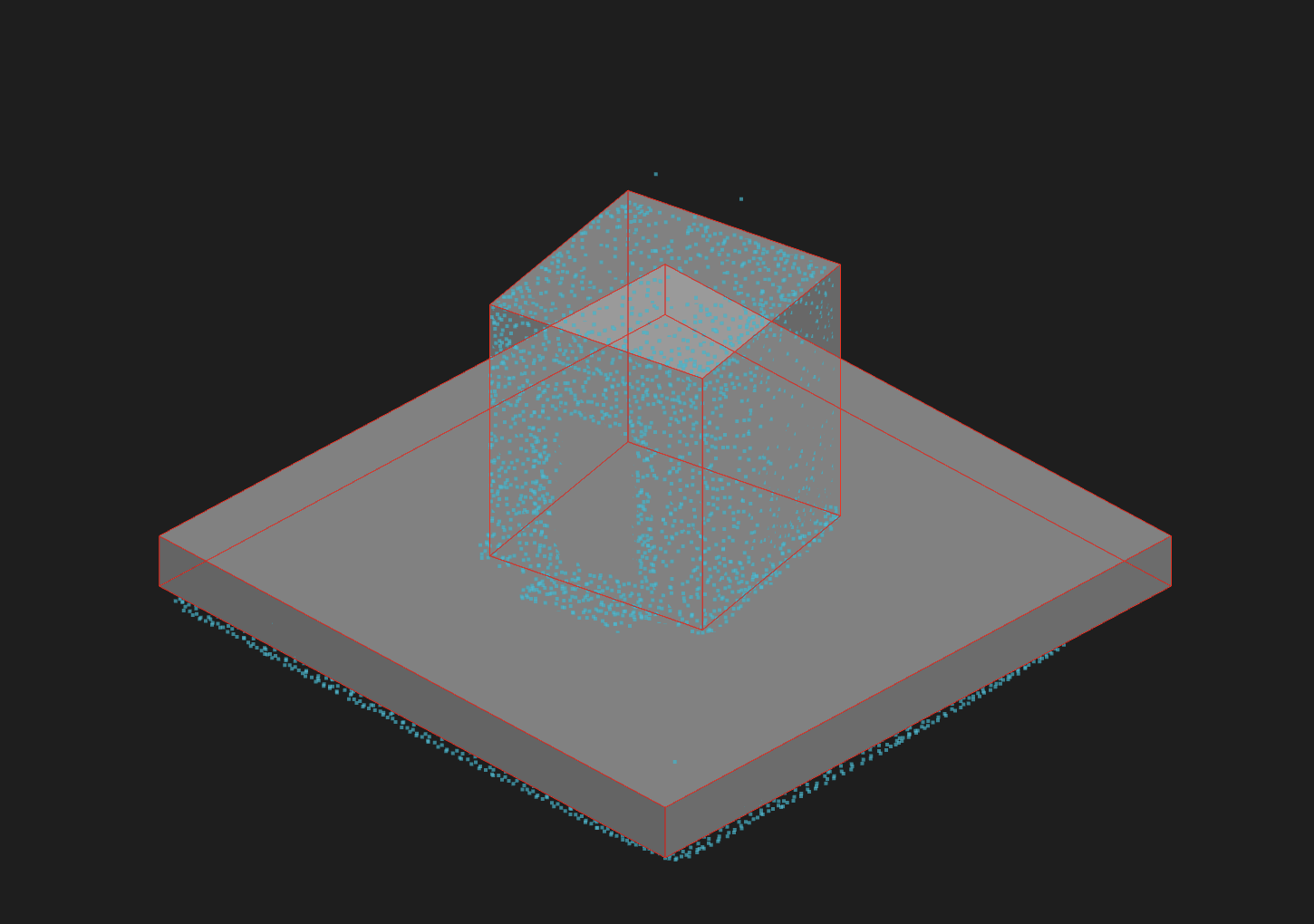 |
| Then get a real-life scene interpretation of our primitives with an image model | 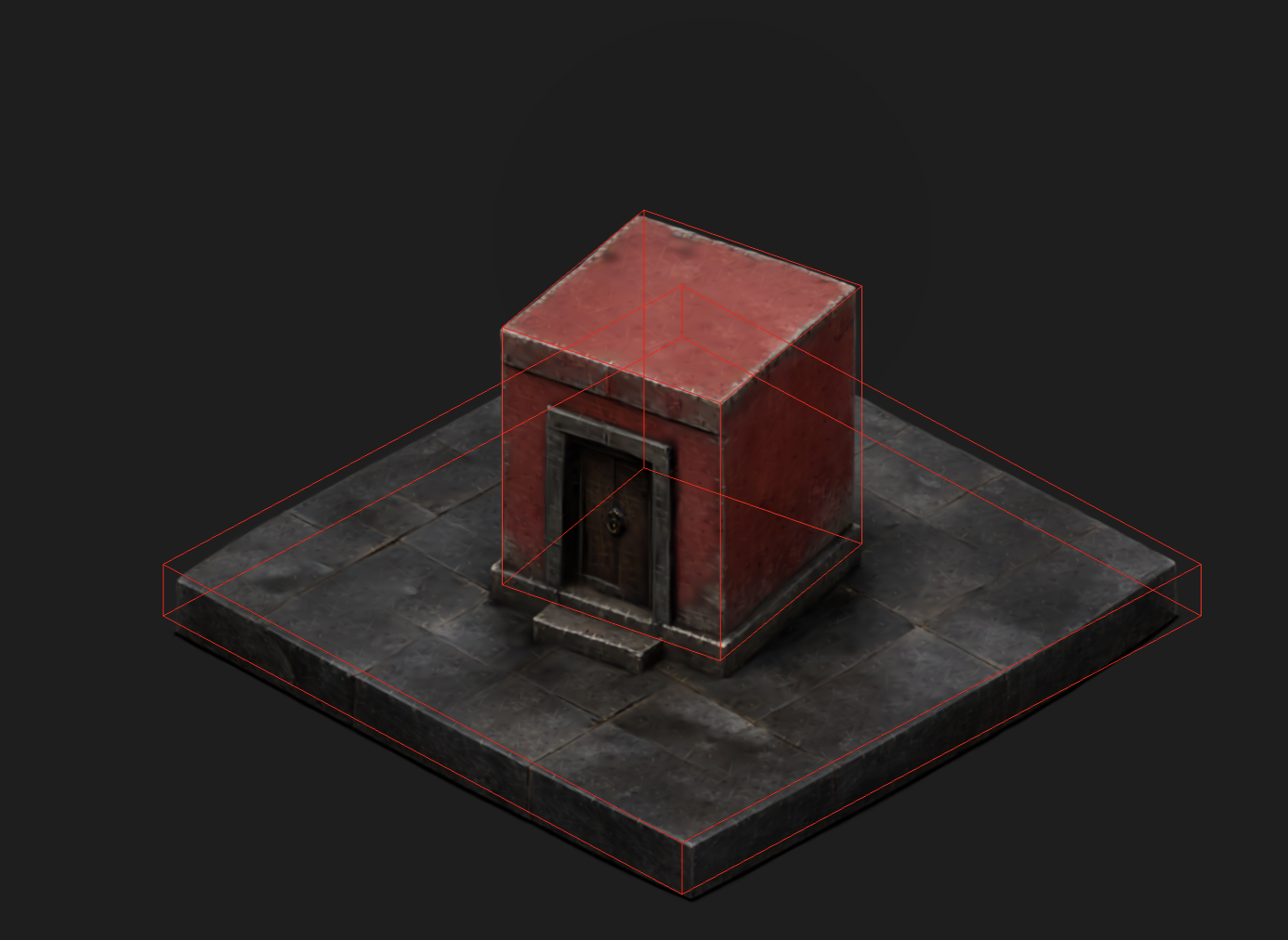 |
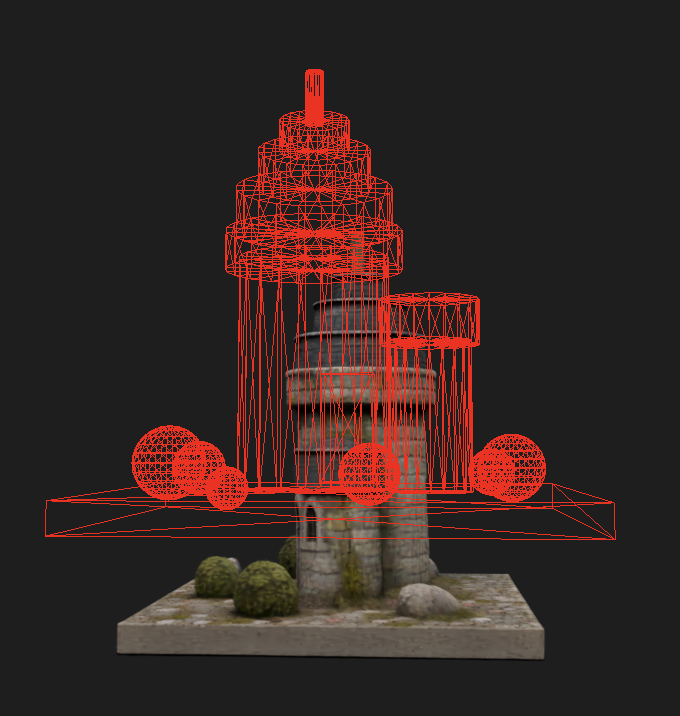
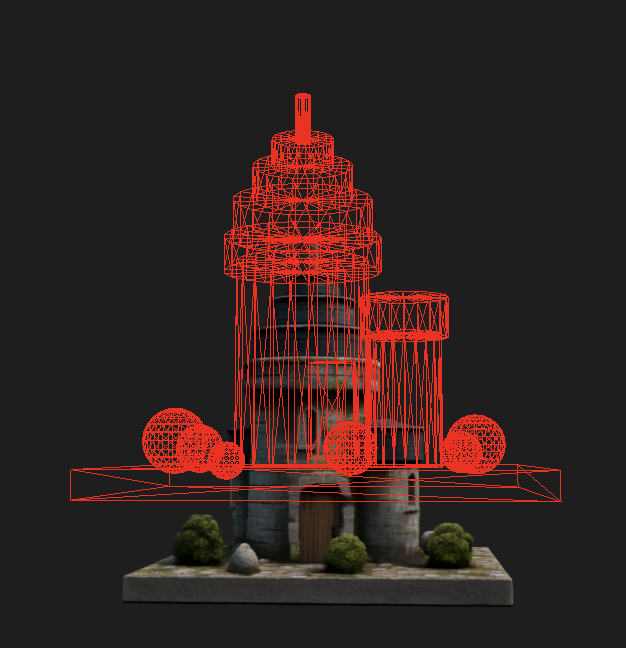
| Now by simply feeding this interpretation into triposplat, we can check the baseline accuracy compared to the original primitives (red lines are primitives): | 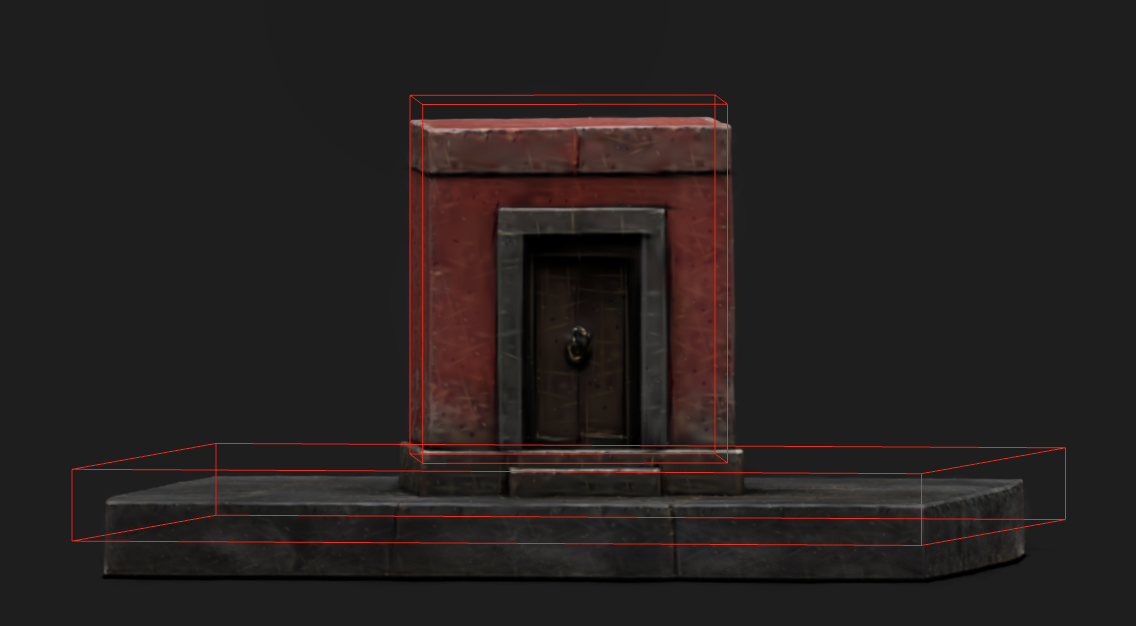 |
|
We optimize for correct depth from 6 key angles, comparing the splat with the original primitives.
The result is a spatially-accurate splat (80% accuracy -> 96% accuracy): |
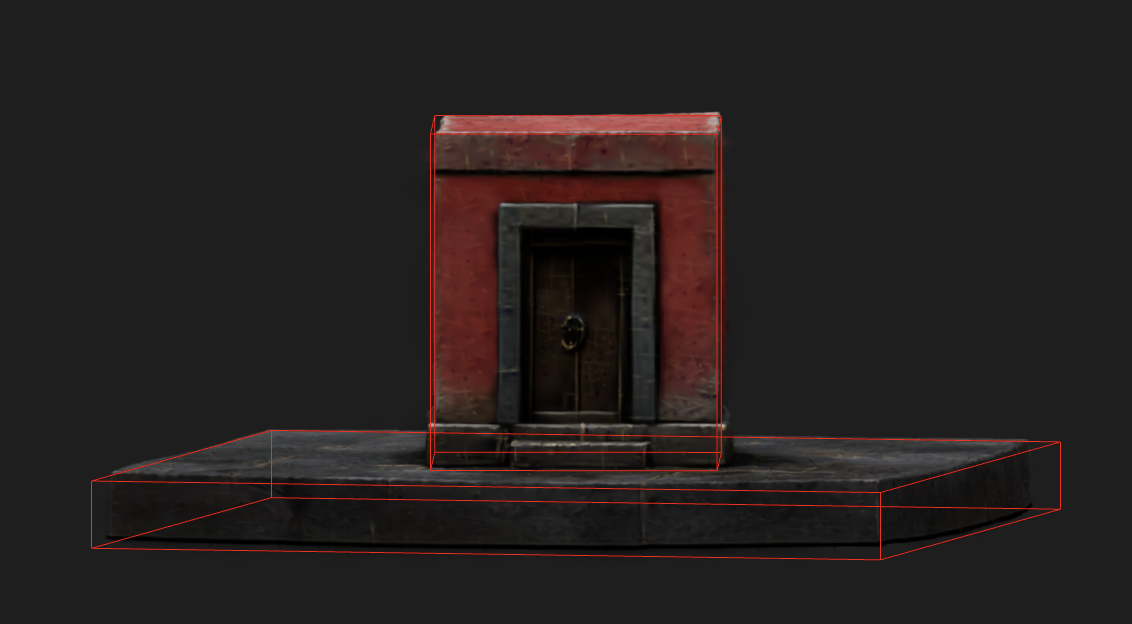 |
| Triposplat | Spatialsplat LoRA |
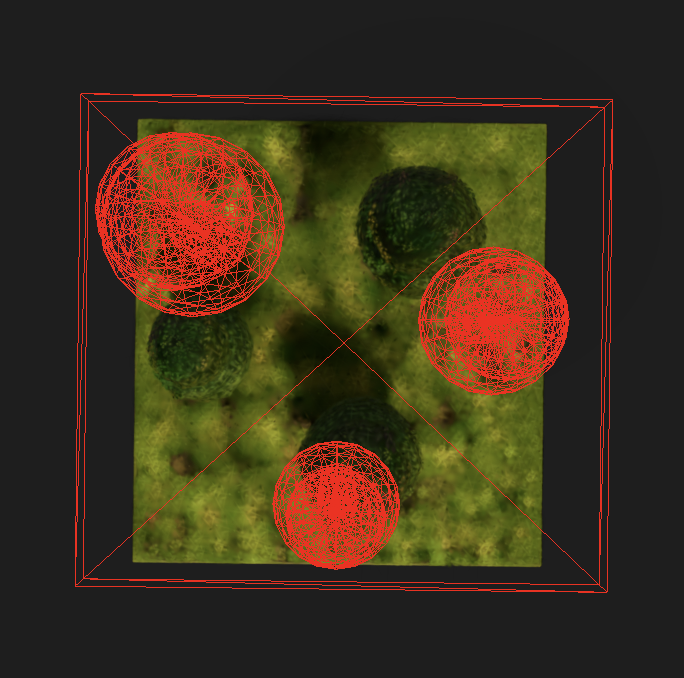 |
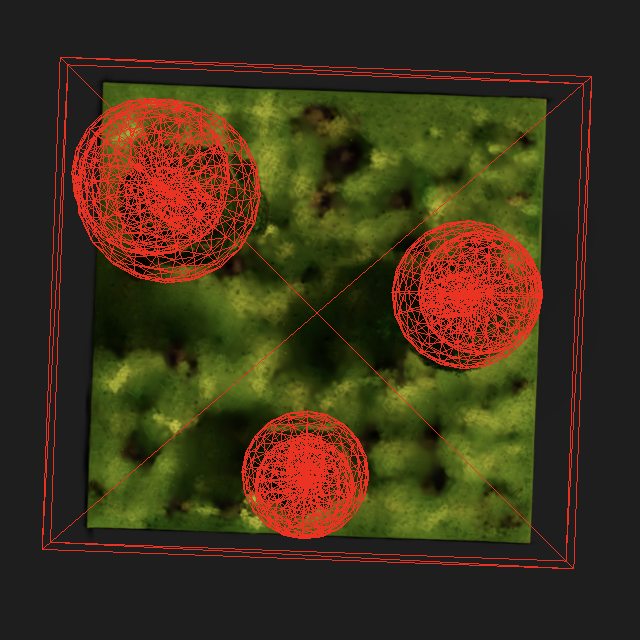 |
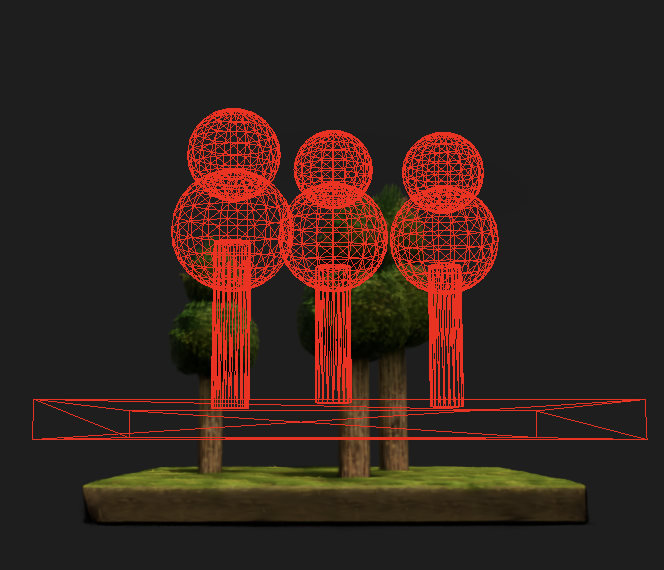 |
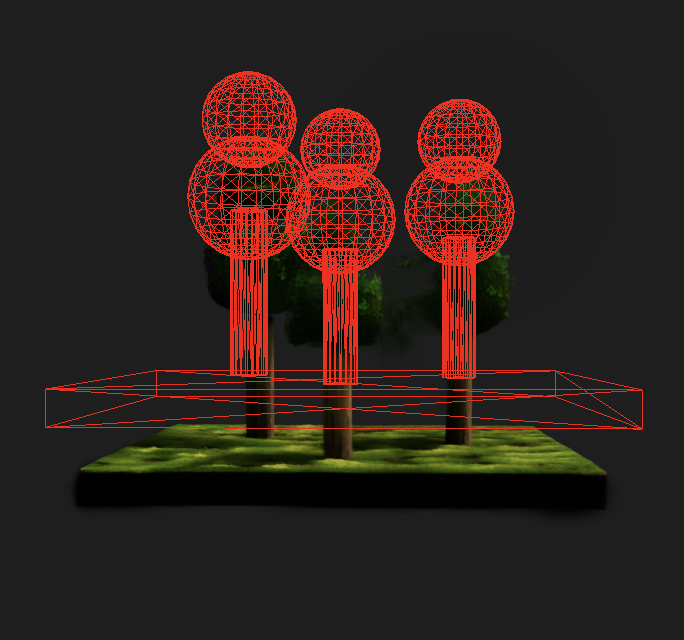 |
LoRA (light)
CUt out GPT image step, reinforce that the splat stay rgb-consistent with the original primitive scene from all 6 angles as part of loss calculation.Controlnet
Train a controlnet which takes in the primitive scene to apply slight adjustments each step.SLoRA
Attempt to find rotation/scale/positioning parameters within the latentExamples
| Before | After |
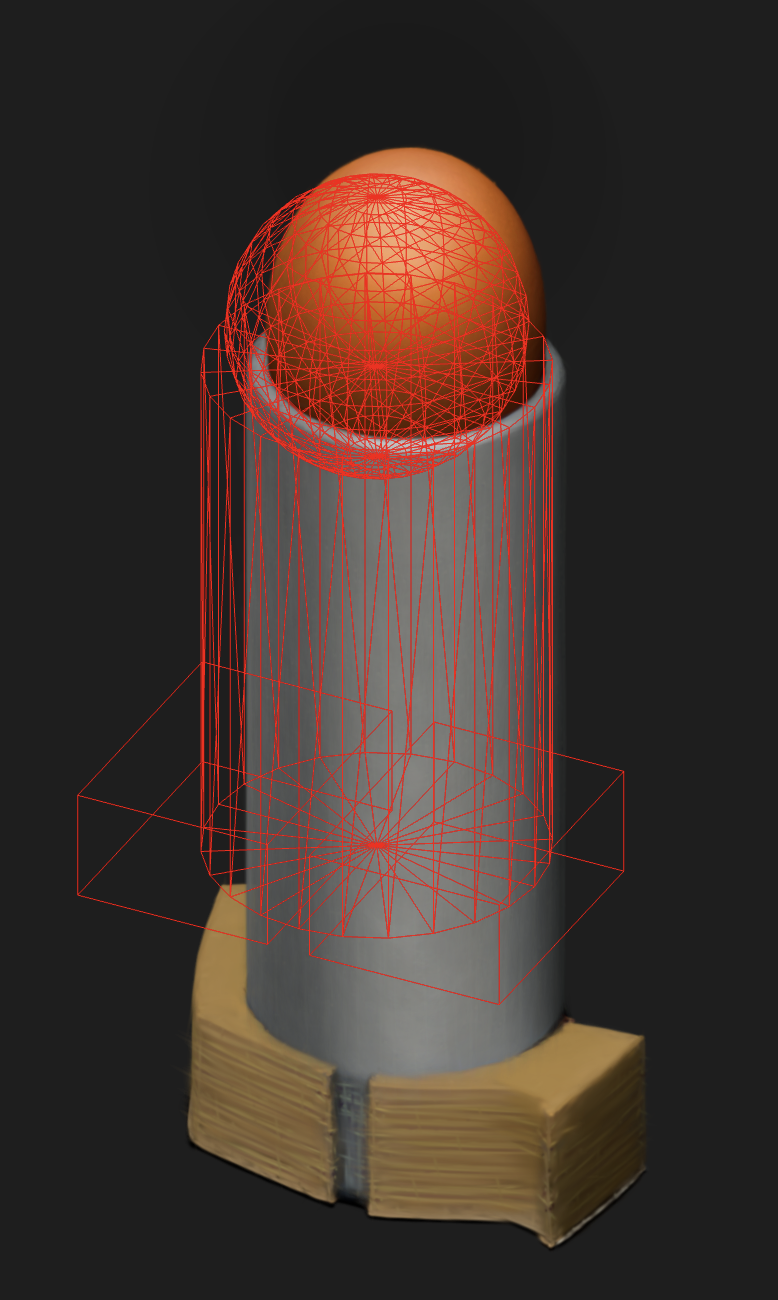 |
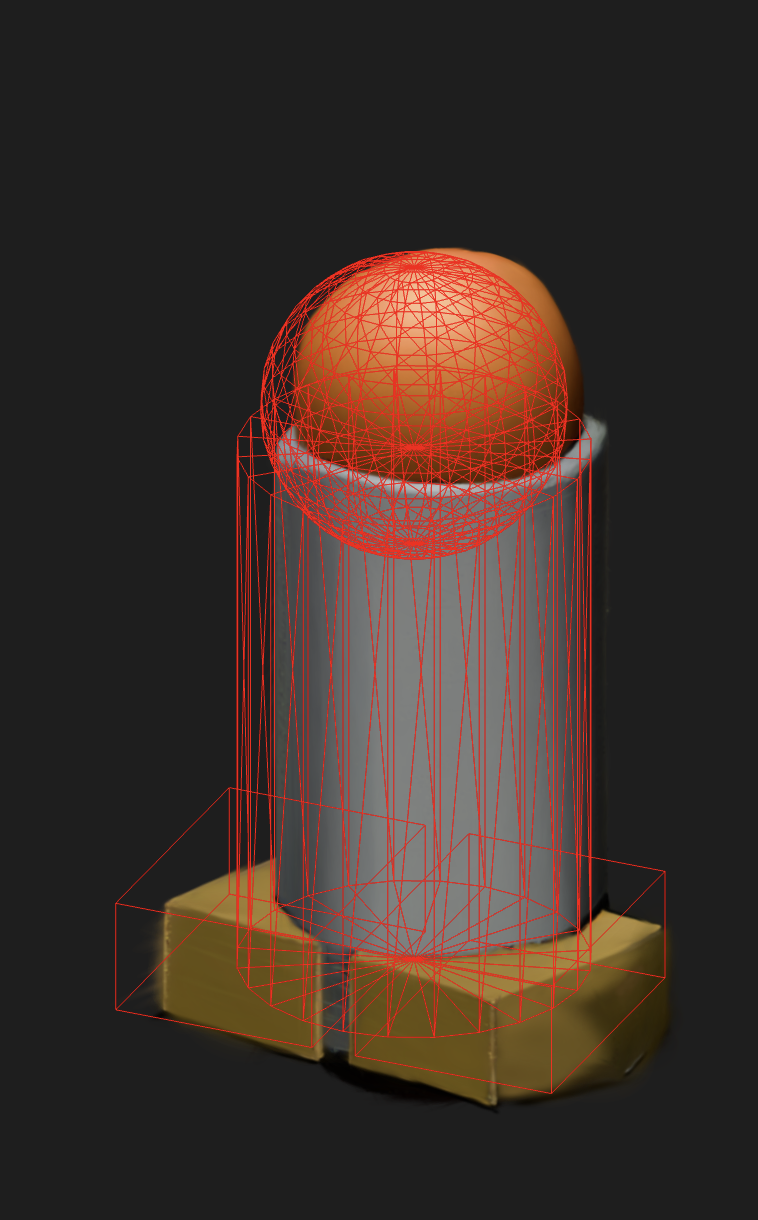 |
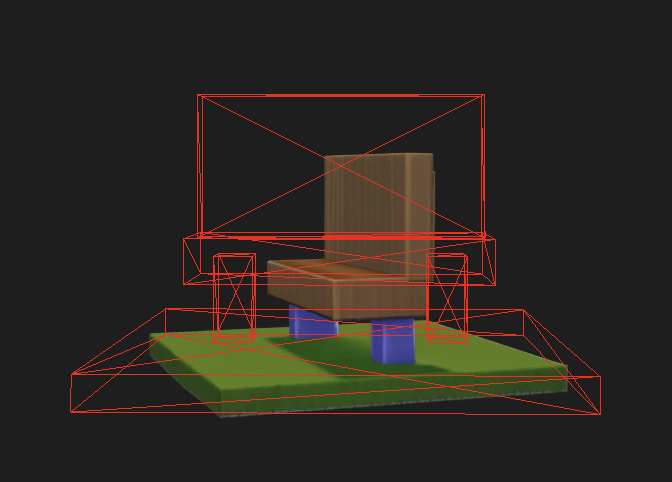 |
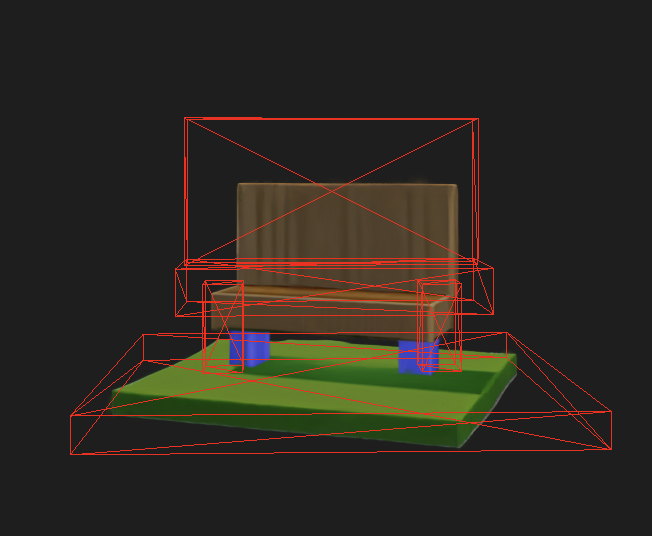 |
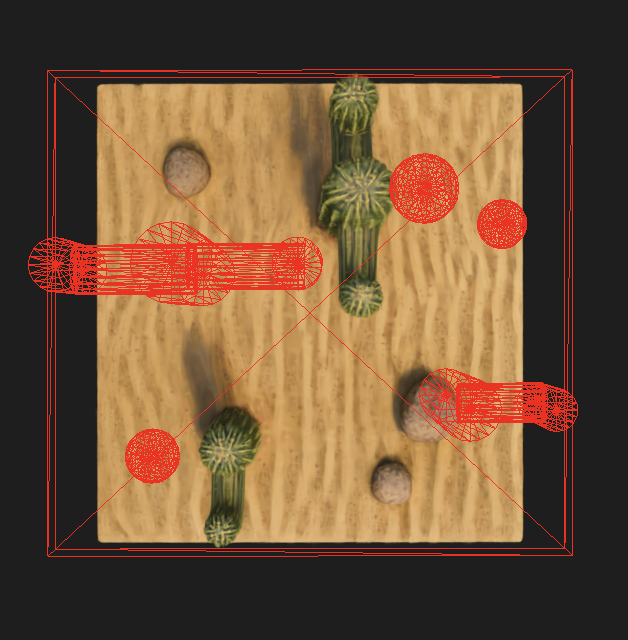 |
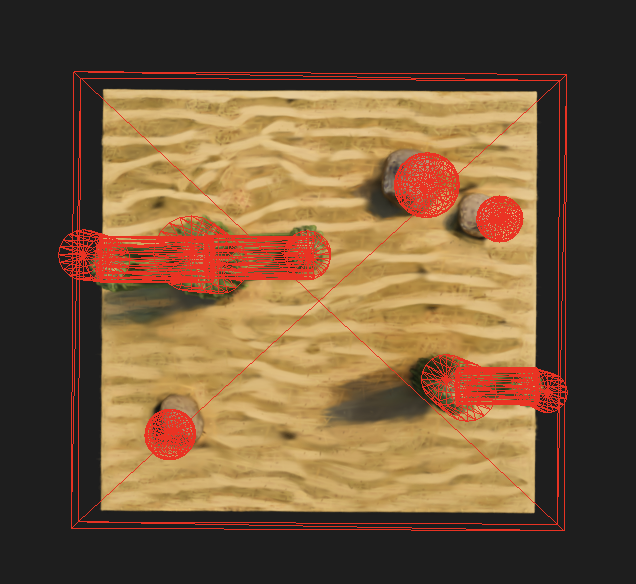 |
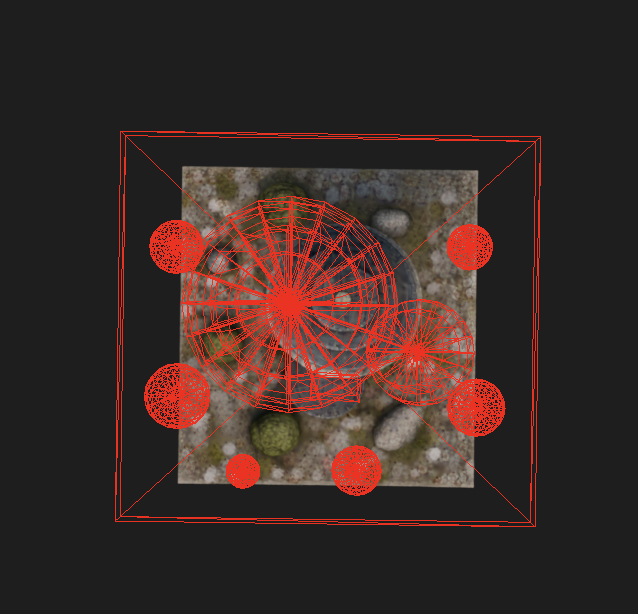 |
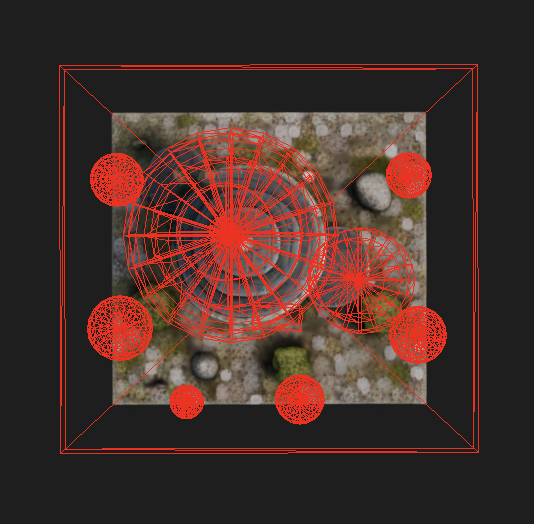 |
 |
 |
|
|
|
|